
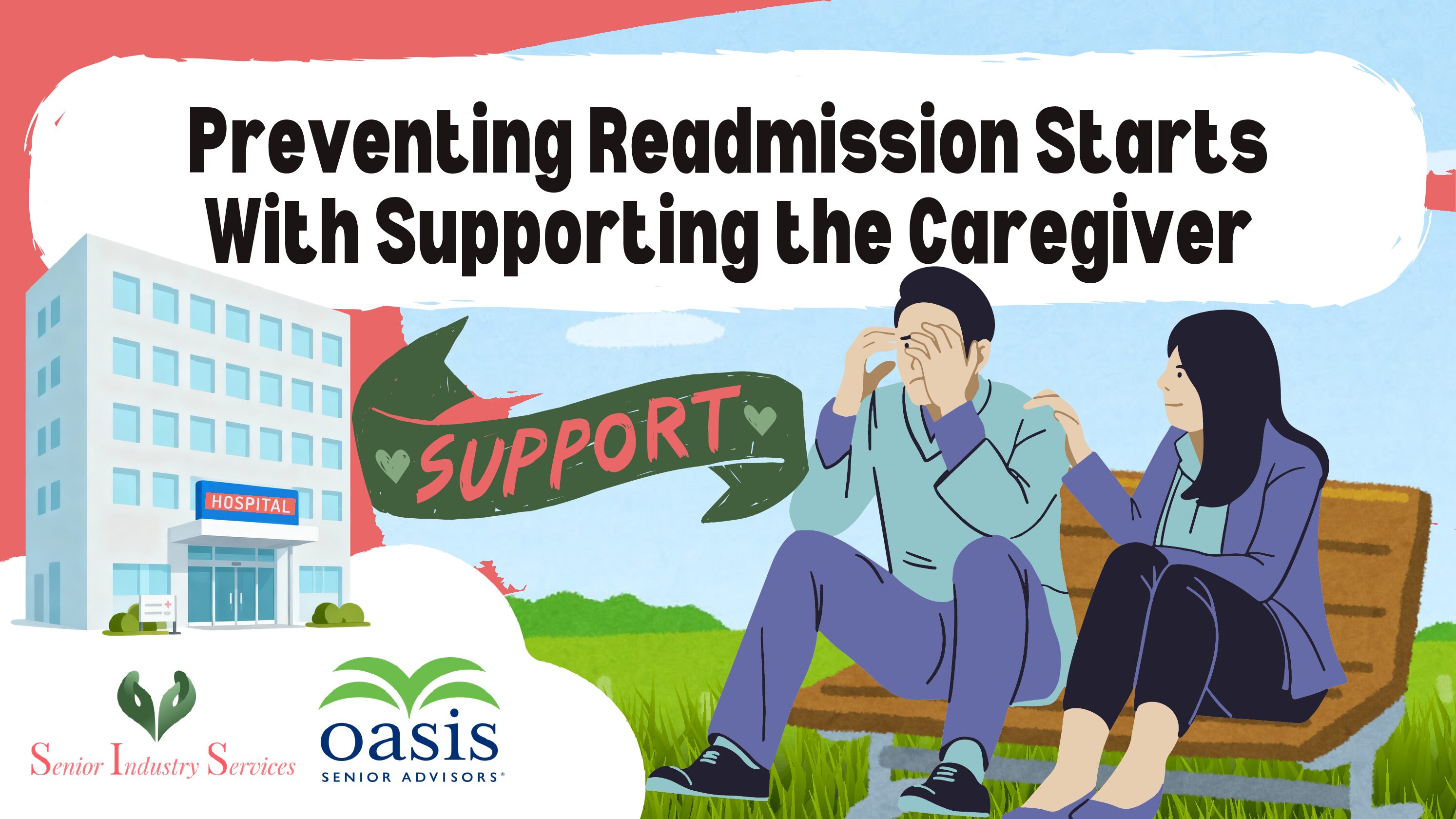
When a loved one is discharged from the hospital after a fall, a surgery, or a medical emergency, families will feel relief but also uncertainty. The relief aspect is self-explanatory…you’re relieved to know your loved one is going home from the hospital and has recovered enough to do so. However, uncertainty arises when the topic of continued care is discussed. Being in the hospital, your loved one was surrounded by trained professionals to monitor their condition and the status of healing. However, now that responsibility may be largely left to you as a caregiver.
This transition from hospital to home is one of the most vulnerable points in recovery. It can be challenging to navigate and to know the right thing to do. After discharge, your loved one is expected to follow a care plan to continue their healing and ensure they are improving. This requires much responsibility and supervision, often times having to take on new roles and learn new ways to help care for your loved one that weren’t necessary before.
During this stressful period, we understand how much families need clear guidance and reliable resources. Supporting caregivers is vital (all of the time, really, but especially following a hospital discharge). When caregivers are supported, informed, and confident, the likelihood of complications and potential hospital readmission can decrease significantly.
Why Hospital Readmissions Happen
Hospital readmissions continue to be a major challenge in healthcare for seniors. Studies estimate that about 20% of Medicare patients were readmitted within 30 days after discharge, often because managing recovery at home can be complicated and overwhelming for caregivers. If a caregiver is not adequately prepared and supported to increase their responsibilities, they may fall behind and not deliver the level of care their loved one needs.
Several factors contribute to readmissions after discharge, including:
- Medication errors or not following the proper medication regimen
- Lack of follow-up care or missed appointments
- Poor communication between various healthcare providers
- Lack of support or safety measures in the home
- Complications related to chronic conditions
- Insufficient education for patients and their family caregivers
Medication-related issues alone are one of the most common causes of preventable readmissions, especially when patients or families struggle to manage medication schedules.
For many families, the challenge isn’t willingness; it’s clarity. The process of discharge can be so overwhelming with so many moving factors that some things can slip through the cracks or simply be overlooked or forgotten. Caregivers want to do the right thing but may not have the knowledge, tools, or support they need. Sometimes this can leave caregivers feeling lonely, guilty, or burned out. This is one of the many reasons why supporting caregivers is so important. Everyone needs support, but especially those busy caring for others!
The Critical Role of Caregivers in Recovery
Caregivers work directly with the patient and their healthcare providers, implementing their recovery plan to ensure their healing. Because they spend the most time with their patients after discharge, they are often the first to notice early warning signs of complications.
Caregivers commonly assist with:
- Medication reminders and management
- Monitoring symptoms
- Ensuring proper nutrition and hydration
- Supporting physical activity and rehabilitation
- Coordinating follow-up appointments
- Maintaining a safe home environment
These everyday tasks play a significant role in preventing avoidable complications. Caregiver involvement can further help reduce readmission rates when they are included in discharge education and care planning. Helping ensure the caregiver is prepared and supported will help to ensure the patient is adequately cared for in return!
The Stress Families Experience After Discharge
Family caregivers often receive little preparation before taking on the responsibilities following a discharge. And to make matters even more confusing, hospital discharge instructions may be short, confusing, or challenging to implement without additional support or preparation.
Many families face challenges such as:
- Uncertainty about medications and treatment plans
- Fear of missing the warning signs of complications
- Emotional and physical exhaustion
- Balancing caregiving with work and family responsibilities
- Navigating healthcare services and resources
Without clear guidance, support, or preparation, this stress can lead to mistakes, delayed care, or avoidable trips back to the hospital.
Supporting caregivers with practical tools and trusted information can help families navigate this critical time more confidently.
But how exactly can you find practical tools and trusted information? We’re so glad you asked! That’s where Senior Industry Services is here to help!
How Senior Industry Services is Here to Help
When families are overwhelmed, they rarely have the time or energy to do proper research on the tools and information needed.
Helpful caregiver resources can include:
- Clear explanations of post-hospital recovery needs
- Guidance on medication management and symptom monitoring
- Tools for organizing care plans and appointments
- Education about aging care and caregiving responsibilities
- Connections to professional services and community support
Families need access to quick, reliable, and practical support! That’s where we come in! Senior Industry Services was created to help families, caregivers, and professionals access tools, insights, and resources that support aging care decisions.
We understand that caregiving often happens during moments of high stress, and in those moments, you need clarity, not confusion.
Whether you’re a caregiver trying to navigate recovery for your loved one after a hospital stay or are just looking for information on senior care, you can rest assured that Senior Industry Services is a trusted place for you to find resources and tools to help in any way you need!
Senior Industry Services (SIS) provides resources and educational materials to support caregivers, which is a key factor in preventing hospital readmissions for seniors. By offering access to educational blog posts from experts in the senior care sphere, hospital-to-home resources, caregiver support tools, and community connections, SIS helps caregivers navigate care transitions and find the services needed to maintain a senior’s health and independence at home.
We are here to help support, inform, and equip those caring for seniors to ensure their safe recovery and reduce the risk of hospital readmissions.
Supporting Caregivers Is Supporting Better Outcomes
Preventing hospital readmissions is not just about proper medical treatment while in the hospital; it’s also about proper treatment, support, and resources for caregivers and seniors after they leave the hospital.
Caregivers are the ones helping patients follow care plans, recognize early warning signs, and maintain daily routines that support recovery. When caregivers have adequate support and access to clear guidance, practical tools, and trusted resources, they are better prepared and better able to prevent readmission!
References:
Agency for Healthcare Research and Quality. (n.d.). Preventing readmissions with the help of trained caregivers. https://www.afcsnc.com/preventing-readmissions-with-the-help-of-trained-caregivers/
National Center for Biotechnology Information. (2024). Reducing hospital readmissions. https://www.ncbi.nlm.nih.gov/books/NBK606114/
Village Caregiving. (2024). How to prevent hospital readmission. https://villagecaregiving.com/blog/prevent-readmission/
Written for Senior Industry Services by Lauren Hope Bartling