
In a previous blog post, we discussed how distressing and confusing it can be when you receive the news that your senior loved one's rehab days will be ending. The news can often leave you feeling overwhelmed, with seemingly nowhere to turn.
Rehabilitation is required for some seniors following an injury, surgery, or illness to help them regain their strength and transition back to their day-to-day lives. Seeing your loved one make progress feels wonderful and encouraging, but it also comes with the added responsibility of figuring out what comes next. Having to make those decisions can be overwhelming, to say the least. The end of rehab can come suddenly, whether your loved one has shown immense progress or their progress has stabilized. “Graduating” rehab is a good thing in most cases, but the transition back into their regular life isn’t always as easy or clear.
We’ve seen this happen in many cases and in various scenarios. We’ve had family members of seniors come to us scared and uncertain of what to do next, asking for help and guidance. When rehab days run out, you may be left feeling overwhelmed with a long list of duties and the responsibility to make care decisions quickly. Family caregivers often face significant emotional stress and uncertainty during rehabilitation transitions for seniors.
In our previous blog post, we discussed how Senior Industry Services can help you navigate this situation by providing a resource hub of insightful information with tools, blog posts, and more to help you make decisions for your loved one. But…what about after that? You have all the information you need; you’ve done research and asked questions, but now you need practical help and for someone to come alongside you and assist you further. That’s where Oasis Senior Advisors comes in to help! Similar to SIS, Oasis’ goal is to help families in Central Texas discover resources available to them in the senior living sector. Oasis provides free assistance to find the best senior living, care, and resources that fit your needs. With tens of thousands of assisted living communities in the United States, choosing the right housing option for yourself or your loved one can be overwhelming. Our 5-step process helps our Advisors identify your unique needs to tailor information and referrals. We help you understand the questions to ask that will provide the right level of care and amenities in the budget that you can afford.
Sometimes, the process of navigating senior care can feel isolating and worrisome, but it doesn’t have to be with help from Senior Industry Services and Oasis. Senior Industry Services is proud to be powered by Oasis Senior Advisors, as these two tools are best used in conjunction to achieve our goal of making Central Texas the best place for seniors to age.
What To Do When Rehab Is Ending? A Round Rock Family Faced a 48-Hour Decision They Didn’t Feel Ready to Make...
When the call came, they thought there had to be some mistake. Their father had only been in rehab for a short while, a little over two weeks after a serious fall that resulted in a hip fracture. Surely he had more time to recover in a rehabilitation facility with trained professionals to help monitor him. They were frightened by all of these responsibilities now falling on their shoulders…what were they supposed to do? The hospital in Round Rock discharged their father into a skilled nursing rehab facility, and his family assumed that he’d stay until he was fully recovered. Little did they know that wasn’t the case. So, they reached out to us for advice and insights. The family was given a matter of two days, a measly 48 hours, to make such important decisions for their father. His Medicare-covered rehab days were ending sooner than initially anticipated, and now they were left scrambling.
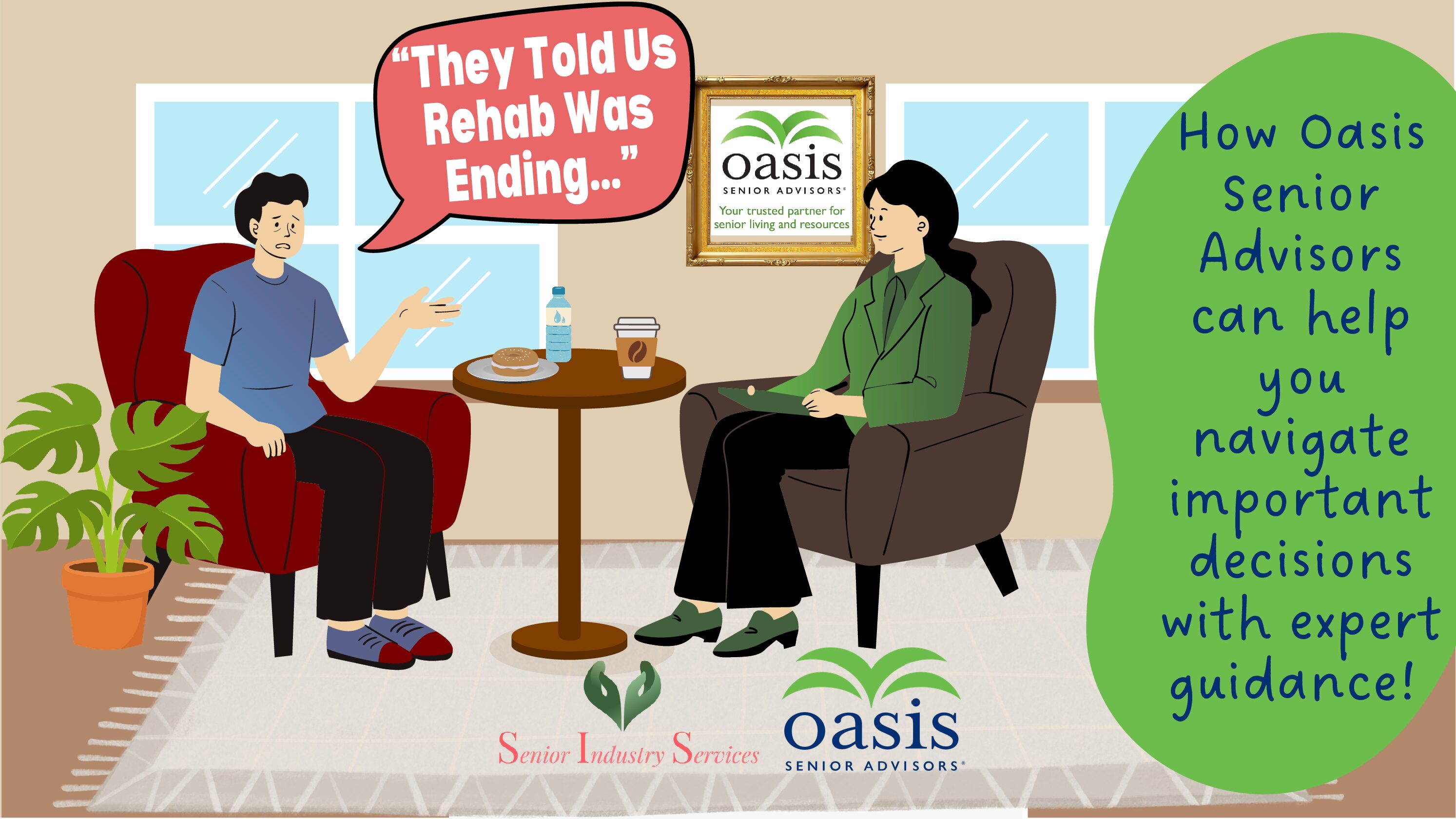
“They told us rehab was ending Friday,” his daughter said on the phone, the panic evident in her voice. “We didn’t even know what questions to ask.”
Suddenly, the family was facing decisions they never expected to make, at least not so quickly:
- Could their father safely return home?
- Would he need caregivers?
- What if he fell again?
- Can he continue to live independently?
- Is assisted living the next step?
- How much would private care cost if insurance stopped paying?
Like many families in Round Rock, Georgetown, Austin, and the Central Texas region, they felt caught between medical timelines and real-life reality. And unfortunately, this situation is more common than most people realize. Are you facing a similar situation with your senior loved one and are confused about where to turn and what to do next? We hope this blog post helps give you a good starting point and plenty of resources to help you navigate this next chapter of your loved one's life.
Why Families Feel Blindsided During Rehab Discharge Planning
One of the biggest misunderstandings families have is assuming rehab coverage lasts until someone is fully recovered. In reality, skilled nursing rehab coverage is based on medical progress and insurance guidelines and is often evaluated regularly based on your loved one's improvements or lack thereof. The timeline sadly doesn’t always equate to whether or not a loved one is ready and doesn’t take into consideration the preparedness of the family involved. It can be incredibly stressful to find out your loved one is being sent home if you feel they are not ready for that step yet. This creates pressure on both you and your loved one to be prepared in ways you may not yet be. This pressure can worsen when a loved one is improving slowly, and their home environment is not equipped for their return, and you have no plans in place for their care moving forward. Now it becomes a stressful loop of research and phone calls and trying to navigate all of this to ensure your loved one is safe and healthy, all the while trying to navigate aspects of your own life and work.
Families can often feel blindsided by discovering their loved one's rehab days are ending, whether it be because progress was achieved or they’ve plateaued. Progress is defined by physical and cognitive improvements in rehabilitation. Plateaus, similarly, involve progress but are defined by when progress has been “maxed out,” so to speak. It’s extremely common, and it does not mean rehab has failed; in fact, plateaus are often a normal and predictable part of recovery.
A rehab plateau occurs when improvements in pain, strength, mobility, or function slow down or stop despite continued effort. Sometimes plateaus happen as a sign that you can progress into further areas of rehab and work on improving further and strengthening more, or it can show that one needs to heal more first before continuing rehab. Everyone heals differently and at different rates, and some people need more time to rest and recover before they can work on rebuilding strength and stamina. A plateau, though, can still be frustrating for both the senior and their loved ones. It is never enjoyable seeing a loved one suffer or struggle, knowing you can do very little to help them. That’s where outside resources like Oasis Senior Advisors come in!
How Oasis Can Help:
When families and loved ones contact Oasis Senior Advisors for cases just like this one in Round Rock, they aren’t looking for a sales pitch…frankly, no one ever is; they want clarity and compassion. They need someone to walk through the steps with them and help guide them on the right path. Here are some steps on how we help do that:
1. Understanding What’s Actually Happening
First, we help the family understand the situation and the rationality behind the decision made to end rehab days for their loved one. We help carefully explain the timeline changes and the discharge plan. We provide insightful questions that they can ask their senior loved ones' care team provider. And we offer options beyond just going home, as that option may not best suit every case and every senior. Sometimes simply being there and understanding the situation and the system at hand helps to drastically reduce the stress.
2. Looking Honestly at Home Safety
If a family is looking to transition their loved one back to living independently, we help them evaluate their home and determine whether or not their home is safe for them to return to and whether or not they need additional assistance to maintain living alone. In our previous blog post, we went further into this and how to help determine if your loved one should go back to living alone and how to ensure it is safe to do so. While your loved one might be able to go home, it doesn’t mean they should do so alone for safety reasons.
The Options You Might Not Know Existed
Once we help to slow down the process, families can realize they have more than two choices. After discussing options, safety, their senior loved one's ability level, and more, they can move forward with confidence and assuredness knowing they will be making educated decisions for their loved one's health and safety.
Whether we advise families on short-term assisted living respite stays and home care and inform them on the costs of additional care or help answer questions and give them questions to ask in exchange, they are able to move forward with a realistic mindset and reduced fear.
The Outcome
The decision is ultimately the family's to make and is dependent on their loved one's needs and situation. Whether it be a short-term assisted living option to continue recovering safely while rebuilding strength or returning home with a temporary caregiver, we can help you determine what works best for your loved one!
If You’re Facing a Rehab Discharge Decision in Central Texas
You are not the only family feeling overwhelmed. These decisions often happen fast as hospitals and rehab facilities aim to discharge patients quickly. That often leaves families in a bind, not knowing where to turn or how to navigate the decisions following their loved one's discharge. The good news is… You don’t have to figure it out by yourself!
At Oasis Senior Advisors, we help families understand:
- What care options actually exist
- What questions to ask
- What local resources may fit their situation
- How to think through timing, safety, finances, and long-term planning
Sometimes families simply need someone experienced in the senior industry to help them understand the situation and make sense of the best next steps to take.
If your family is facing uncertainty after rehab, we’re here to help you talk through the options with clarity and support.
Written for Senior Industry Services by Lauren Hope Bartling
References:
Amy Goyer is AARP’s family and caregiving expert and author of Juggling Life. (n.d.). Managing the transition from hospital to rehab to home . AARP. https://www.aarp.org/caregiving/home-care/transition-from-hospital-rehab-home/
Beckley, J. (2024, May 1). Post rehab tips for your aging parent: Optalis. Optalis Healthcare. https://www.optalishealthcare.com/blog/all-better-now-what-post-rehab-tips-for-your-parent-2/
How my dad’s early discharge from rehab taught me a lesson. (n.d.). https://www.dalyperri.com/blog/how-my-dads-early-discharge-from-rehab-taught-me-a-lesson/
MAUREEN CAMPAIOLA. (2026, March 30). Why families make the wrong decision after a hospital discharge. Your Key To Senior Living Options. https://yourkeytoseniorlivingoptions.com/why-families-make-the-wrong-decision-after-a-hospital-discharge/
Post-hospital rehabilitation options for elderly patients. Post-hospital Rehabilitation Options for Elderly Patients. (n.d.). https://www.aplaceformom.com/caregiver-resources/articles/rehab-care
Why rehab plateaus happen-and how we break them. Core Performance Physical Therapy, Physical Therapist, Newport Beach, Irvine. (n.d.). https://www.corenewport.com/blog/why-rehab-plateaus-happenand-how-we-break-them/?bp=50297