
Choosing senior living is notoriously a challenging endeavor for families of seniors. It can be hard to know where to start or what type of facility or what level of care would work best for your loved one. It’s often not as simple as one might think, and that’s quickly realized when beginning the search.
You soon find out that there are many things to consider when choosing senior care and senior living, such as your loved one’s personality and preferences, budget, location, safety concerns, and the kind of environment that they’ll feel most comfortable in. While some seniors might be social and extroverted, others might thrive in a more private and quiet space.
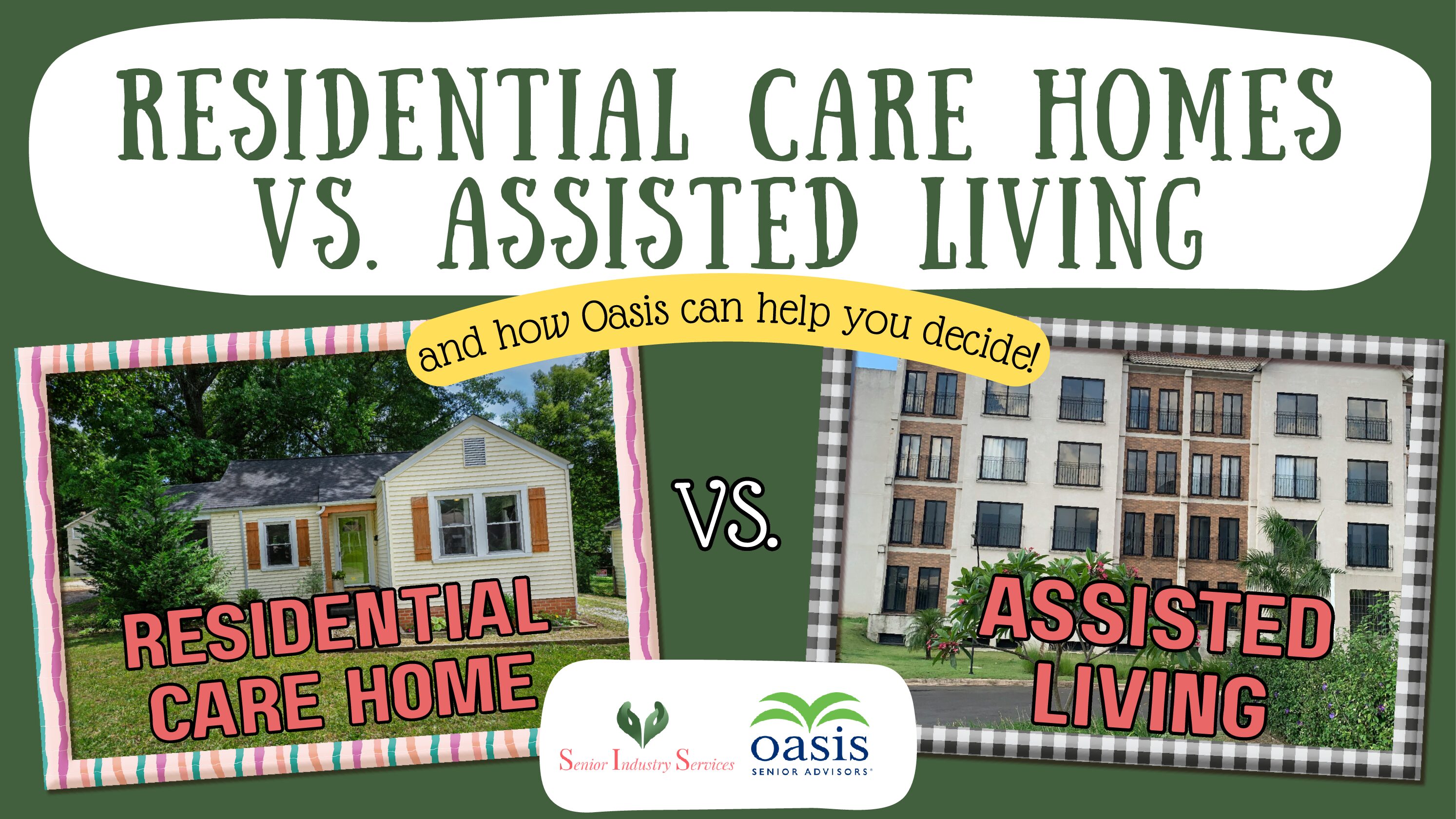
For families in Austin and the Central Texas region, two common options are residential care homes and assisted living communities. Although both provide support with daily activities, they can feel very different in size, atmosphere, services, and lifestyle.
The process of finding the right place for your loved one can be simplified with the help of Oasis Senior Advisors, which we partner with and are powered by. In this blog post, we’ll explain how Oasis can help you find the perfect place for your senior loved one to live!
Oasis Senior Advisors of Austin and Central Texas helps families compare senior living options, including assisted living, memory care, and care homes, based on each person’s needs and circumstances. Their guidance is free and can include researching communities, arranging tours, and helping families navigate the transition. They are experts in the senior industry and have local knowledge and insight that can help you throughout the process of finding the right place for your senior loved one.
What Is a Residential Care Home?
A residential care home, sometimes called a board and care home, or a personal care home is typically a smaller personal residence that has been adapted to provide care for a limited number of older adults. They offer senior care in a house rather than a large community. They are houses in residential neighborhoods that are equipped and staffed to help residents with their daily routines. Assistance is focused on ADLs (activities of daily living, such as bathing and toileting) and other daily care needs. Board and care homes typically house between 2 and 10 residents.
Care home regulations and licensing requirements vary from state to state. Before you choose a residential care home, it’s a good idea to understand your state’s licensing regulations and how oversight works. Some care homes offer additional care services, depending on who the owner or operator is and how they’re licensed. For example, some care homes are led by people in the medical field, such as a nurse or therapist. Each home will vary somewhat in what care is available. Residents receive personalized assistance in a quieter, more home-like setting.
Services often include:
- Meals
- Medication management
- Personal care
- Housekeeping
- Laundry
- Daily supervision
- Assistance with mobility
In a previous blog post further explaining care homes and why they might be best to consider following a hospital stay, we discussed that residential care homes in Texas are licensed by the state and operate under the same regulatory framework and inspection process as a standalone assisted living or memory care community.
Licensed residential care homes are inspected regularly, must meet staffing, safety, and training requirements, and are permitted to provide higher levels of personal and dementia-related care. Although they are located in residential neighborhoods and feel home-like, they are fully regulated care settings, not informal arrangements. This distinction is especially important when a senior is transitioning from the hospital or a rehab facility.
Many residential care homes offer:
- A more intimate, home-like setting
- Fewer residents than a large senior living campus
- Assistance with bathing, dressing, grooming, and toileting
- Medication reminders or medication assistance
- Meals and snacks
- Housekeeping and laundry
- Caregiver supervision throughout the day and night
- Social activities suited to the residents in the home
Because the setting is smaller, residents may receive more familiar, relationship-based support. Some older adults appreciate the quieter environment and the feeling of living in a private home rather than moving into a large facility. It can also be favored by some seniors who are more shy or introverted and want a place that feels more like home…because it is one!
Residential care homes can be especially appealing to someone who:
- Feels overwhelmed by large communities
- Prefers a quiet and familiar environment
- Benefits from a smaller social setting
- Needs personal care but not the broader programming of a large campus
- Is comfortable sharing common areas with a small group of residents
The quality and services of residential care homes can vary considerably. Families should ask about staffing, overnight supervision, emergency procedures, medication management, activities, meals, transportation, visiting policies, and how the home handles potential changing care needs moving forward.
Residential Care Homes Are Best For:
- Seniors who dislike large facilities
- Individuals needing more one-on-one attention
- Families seeking a quieter environment
- Seniors with moderate care needs and extra help with ADLs
- Residents who thrive in a family-style setting
Because of their smaller size, caregivers often develop close relationships with residents and families.
What Is Assisted Living?
Assisted living provides a senior care option designed for older adults who need help with some daily activities but do not require round-the-clock skilled nursing care. It is designed for seniors who remain mostly independent but need help with activities of daily living (ADLs) such as:
- Medication reminders
- Bathing and dressing
- Meal preparation
- Housekeeping
- Transportation
- Social activities
An AARP article on assisted living further explains that it’s a middle ground between independent living and full-time care, such as in a nursing home. Facilities can range from small, intimate settings to sprawling communities with amenities like pools, fitness centers, salons, and multiple dining options. Some have fewer than 10 units, while others exceed 100, averaging 37 units.
Some communities offer tailored care for specific conditions, such as memory care units dedicated to individuals with Alzheimer’s or other forms of dementia.
Assisted living typically offers residents a private room, three meals a day, and around-the-clock supervision and services such as housekeeping and laundry, medication management, and personal care help with tasks like bathing, dressing, and using the bathroom. Residents typically live in private apartments or suites while enjoying access to communal dining, recreational programs, fitness classes, and social events.
Assisted Living Is Best For Seniors Who:
- can safely navigate their day with some assistance
- feel isolated living alone and want community
- have mild mobility limitations
- forget to take medications
- struggle with cooking
- no longer want the responsibilities of home maintenance
- wants more opportunities for social engagement
- needs help with several activities of daily living
- enjoys organized activities and community events
- wants access to transportation and shared amenities
Assisted living works well when someone is still capable of making most decisions independently but needs occasional assistance. These communities focus heavily on seniors maintaining their independence (which is often a big priority for seniors) while providing support when needed, although that is not their main purpose. Assisted living may be located within a larger senior living campus that also offers independent living, memory care, rehabilitation, or skilled nursing. This can make it easier for a resident to access additional support if their needs change, although a move to another level of care may still be necessary.
Assisted living communities commonly provide:
- Private or shared apartments
- Dining rooms and scheduled meals
- Personal care assistance
- Medication management
- Transportation
- Housekeeping and maintenance
- Fitness, recreation, and social activities
- Common areas for visiting and entertainment
- Emergency response systems
- On-site staff and care coordination
Residential Care Homes vs. Assisted Living
The right choice for your senior loved one depends on a lot of factors. Your senior loved one's current state and ability level is first and foremost to consider, but the environment aspect of both options is also a large contributing factor. Depending on the senior's preferences and needs one option might be better than the other. Some other areas to consider if choosing between a residential care home versus assisted living include:
Size and atmosphere:
Residential care homes are generally smaller and more intimate. Residents may interact with the same caregivers and housemates each day.
Assisted living communities are often larger and may offer more amenities, scheduled activities, dining options, and opportunities to meet other residents.
Depending on how outgoing and social your senior loved one is they may prefer more opportunities to connect with and meet new people at an assisted living facility, while others may enjoy the intimate setting a residential care home can offer.
Care and supervision:
Both settings can offer assistance with personal care and medication management. Families should ask for a detailed explanation of what is included in the monthly rate and what costs extra.
A person with complex medical needs may need home health, hospice, skilled nursing, or another specialized service in addition to, or instead of, residential care or assisted living.
Social opportunities:
A residential care home may offer a quieter, more personal social environment. Assisted living communities often provide a broader calendar of activities, outings, exercise classes, clubs, and entertainment.
The best choice depends on whether your loved one prefers a small household setting or a larger community with more opportunities.
Living space:
Residential care homes typically use shared living areas in a house-like setting. Bedrooms may be private or shared, depending on the home.
Assisted living communities often offer private or shared apartments with features such as kitchenettes, accessible bathrooms, emergency call systems, and common dining or activity areas.
Questions to Ask Before Choosing:
Whether you are touring a residential care home or an assisted living community, ask questions that help you get a better idea of how the senior living setting operates day-to-day.
Care and staffing:
- How many caregivers are on duty during each shift?
- Is someone available overnight?
- What happens if a resident falls or has a medical emergency?
- How are care plans created and updated?
- Can staff assist with transfers, bathing, toileting, and incontinence care?
- How are medications stored, administered, and monitored?
- What happens if a resident’s needs increase?
Daily life:
- What is a typical day like?
- Are residents encouraged to eat together?
- How often are activities offered?
- Are activities adapted for residents with mobility limitations or dementia?
- Is transportation available for medical appointments and errands?
- Can residents bring personal furniture, pets, or beloved belongings?
- How are family visits handled?
How Oasis Senior Advisors Can Help
Families do not have to compare and contrast all the senior living options available for their loved one, that’s what Oasis is here for! Oasis Senior Advisors of Austin and Central Texas is a team of experts and locals familiar with the senior care sector and senior living options. They work with families to understand health needs, financial considerations, lifestyle preferences, and locational priorities. Advisors can help identify potential communities, coordinate tours, and guide families through the transition process. Oasis Senior Advisors offer their professional support, guidance, and knowledge to families for free.
Families of seniors can learn more on their website: Oasis Senior Advisors of Austin and Central Texas
A Practical Next Step:
Before beginning tours, write down your loved one’s current needs and likely future needs. Include mobility, medication, memory, continence, bathing, meals, transportation, nighttime supervision, and social preferences.
Then use the Central Texas Senior Care Directory to explore local service providers and resources. You can also use Senior-AI to organize questions, understand senior care terminology, and identify possible next steps.
At Senior Industry Services we always recommend looking into options sooner rather than later, if you’d like to learn more about why you shouldn’t wait to look into senior living options you can read more in our blog post: Why Families Wait Too Long to Start Looking for Senior Living and How Oasis Can Help
Residential care homes and assisted living communities can both offer meaningful support. The strongest choice is the one that provides an appropriate level of care while respecting your loved one’s comfort, preferences, safety, and sense of home. To help determine what choice is right for you, feel free to reach out to us at Senior Industry Services or connect with an Advisor at Oasis!
Written for Senior Industry Services by Lauren Hope Bartling
About Senior Industry Services
Senior Industry Services (SIS) is a Central Texas resource connecting seniors, families, caregivers, healthcare professionals, and local businesses through education, technology, and community collaboration.
SIS provides educational articles, Senior-AI tools, a searchable Senior Resource Directory, local service information, community resources, professional networking events, and educational opportunities.
We explore and educate on topics such as healthy aging, caregiving, senior living, dementia, hospital-to-home transitions, Medicare, Medicaid, Veterans benefits, long-term care planning, and other issues affecting seniors and their families.
Senior Industry Services serves communities across Central Texas, including Austin, Round Rock, Georgetown, Cedar Park, Pflugerville, Lakeway, Buda, Kyle, Bastrop, Dripping Springs, Marble Falls, Burnet, Temple, Belton, Killeen, Harker Heights, Waco, San Marcos, New Braunfels, Canyon Lake, Bryan–College Station, and surrounding areas.
Whether you’re searching for reliable information, exploring local senior services, using Senior-AI, or looking to connect with trusted professionals, SIS is designed to be a central online resource for aging and senior care throughout Central Texas! Explore our website to learn more about all we have to offer to families, seniors, and senior care professionals in Central Texas!
About Oasis Senior Advisors Austin & Central Texas
Senior Industry Services is proudly facilitated by Oasis Senior Advisors of Austin and Central Texas.
Oasis provides confidential, no-cost guidance to seniors and families exploring assisted living, memory care, independent living, residential care homes, respite care, and other senior living options. The Oasis team works alongside hospitals, rehabilitation centers, physicians, senior living communities, and healthcare professionals to help families navigate care decisions and transitions throughout Austin and Central Texas.
Serving families from Waco to New Braunfels and Marble Falls to Bryan–College Station, Oasis Austin and Central Texas combines local knowledge, personalized guidance, and compassionate support to help families identify options that fit their loved one’s care needs, preferences, location, and budget.
Learn more at Oasis Senior Advisors of Austin and Central Texas
About the Author
Lauren Hope Bartling is a content writer for Senior Industry Services & Oasis Senior Advisors of Austin and Central Texas. She searches and writes educational content focused on healthy aging, caregiving, healthcare, senior living, and community resources. Her goal is to help seniors, families, caregivers, and healthcare professionals better understand the challenges of aging through accurate, practical, and easy-to-understand information that supports informed decision-making.
References:
Assisted living vs. memory care vs. care homes: Understanding the differences before you decide. Senior Industry Services. (2026, July 4). https://seniorindustryservices.com/2026/07/03/assisted-living-vs-memory-care-vs-care-homes-understanding-the-differences-before-you-decide/
Assisted living vs. residential care facilities: What is the difference?. Senior America. https://senioramerica.net/assisted-living-vs-residential-care-facilities/
Assisted Living vs. Board and care homes for seniors. https://www.aplaceformom.com/caregiver-resources/articles/assisted-living-vs-board-care-homes
Assisted living: What caregivers need to know. https://www.aarp.org/caregiving/basics/assisted-living-options/
Long-term care facilities: Assisted Living, nursing homes, and other residential care | National Institute on Aging. https://www.nia.nih.gov/health/assisted-living-and-nursing-homes/long-term-care-facilities-assisted-living-nursing-homes
Reynolds, D. (2026, June 2). Choosing between residential care and assisted living options. Active Aging Daily. https://activeagingdaily.com/residential-care-vs-assisted-living/
Verderber, S., Koyabashi, U., Cruz, C. D., Sadat, A., & Anderson, D. C. (2023). Residential Environments for Older Persons: A Comprehensive Literature Review (2005-2022). HERD, 16(3), 291–337. https://doi.org/10.1177/19375867231152611