
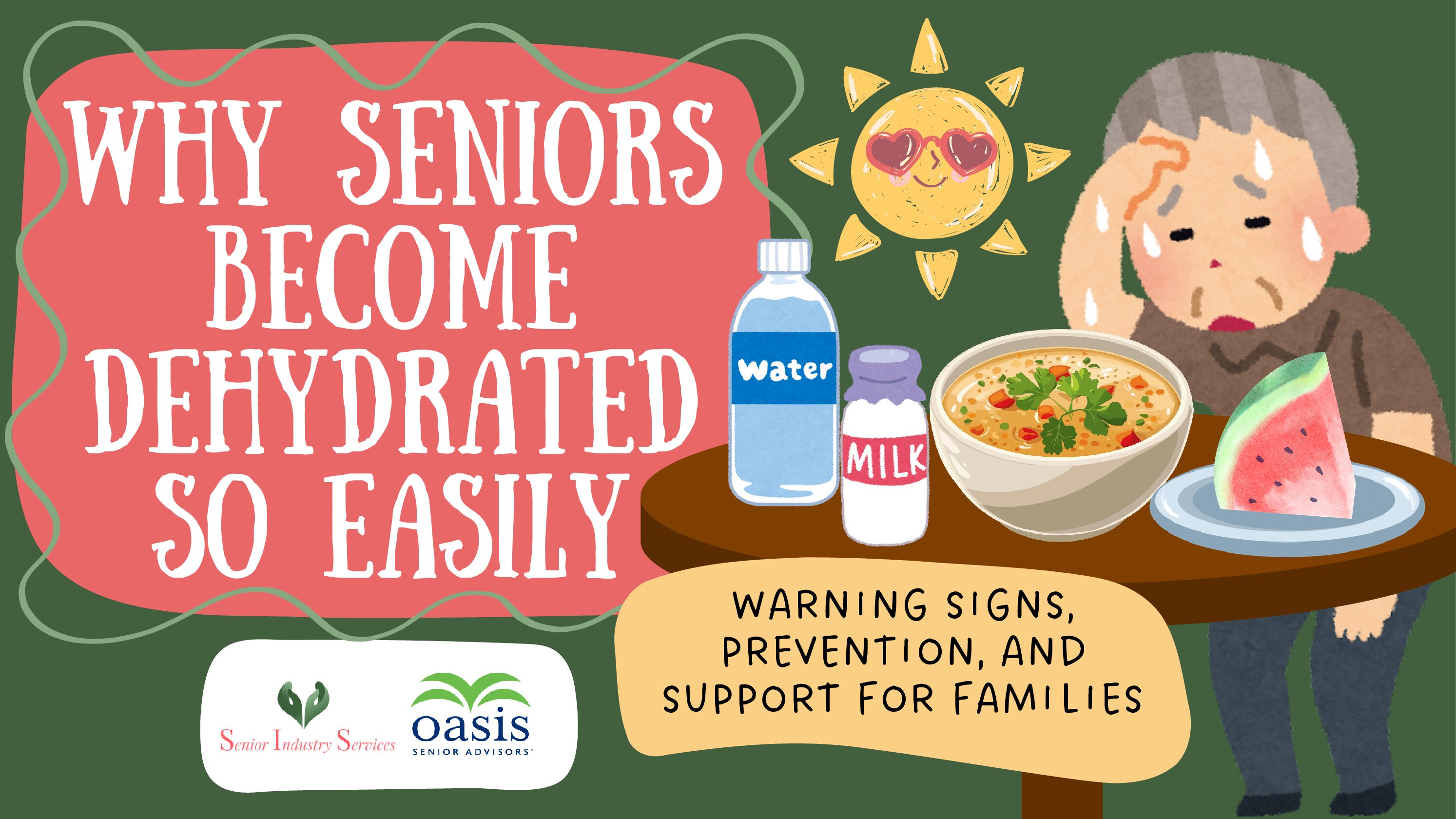
Dehydration can be easy to overlook, especially in older adults. Dehydration is something anyone of any age can suffer from, but it’s far more common and problematic for seniors.
Seniors can struggle with adequate hydration due to memory issues and forgetfulness, resulting in not consuming enough water or liquids. The irony is seniors may often complain of thirst while also drinking very little throughout a given day.
Caring for an aging loved one can be challenging for various reasons, but having to also ensure your loved one is well hydrated can add another layer of complications and confusion. At a glance, dehydration may seem like a minor health concern, but it can lead to many other more problematic issues, such as weakness, dizziness, falls, confusion, and complications that may require medical attention, such as UTIs. The risk can increase during illness, after a hospital stay, or during the hot Central Texas summer (and spring, and often fall…if we’re being honest!).
You may be wondering why seniors are more prone to dehydration and why it’s a bigger concern for them. We’re here to help answer that question for you, address any concerns, and prevent your loved one from becoming dehydrated. The answer involves more than simply forgetting to drink water (although that is a large contributing factor). Age-related changes, medications, chronic health conditions, mobility challenges, memory problems, and everyday routines can all affect hydration.
The good news is that many dehydration risks can be reduced with awareness, consistent habits, and the right support system. At Senior Industry Services (SIS), we believe families should have access to practical education and connected resources to help them navigate the challenges of aging. Understanding dehydration is one more way to recognize when an older adult may need additional support.
Why Are Seniors More Vulnerable to Dehydration?
Dehydration occurs when the body loses more fluid than it takes in. Although it can affect anyone, older adults often face several overlapping risk factors and repercussions.
1. The Sense of Thirst Can Decline With Age
One of the most important reasons older adults become dehydrated is that they may not recognize thirst as readily as they once did. A younger person might feel thirsty after several hours without water. An older adult may go much longer without drinking because the natural signal to replenish fluids is less noticeable. This creates a problem where not feeling thirsty doesn’t necessarily mean the body has had enough fluids. So, relying on the sensation of thirst alone can not always be enough. Instead, friends, family, and caregivers encourage drinking liquids throughout the day.
2. The Body Changes With Age
As people grow older, their bodies generally have less water reserve because body composition changes, including a reduction in total body water. This means an older adult may have less capacity to tolerate fluid loss before dehydration becomes a concern. Illness, fever, diarrhea, vomiting, or prolonged exposure to hot weather can increase that risk.
3. Medications Can Increase Fluid Loss
Many seniors take several prescription medications to manage chronic health conditions. Some medications can increase dehydration risk, especially when combined with heat, illness, or inadequate fluid intake. Some of these medications that increase the risk include diuretics, certain blood pressure medications, and laxatives.
4. Mobility Challenges Can Make Drinking Water Difficult
Seniors may develop conditions like arthritis or use mobility aids such as walkers; these can make getting up to get water or other liquids challenging. This can contribute to seniors not drinking water or staying hydrated simply because they don’t want to get up and risk a fall or injury, or because they struggle to get up and around. Simple adjustments such as keeping water within reach and offering assistance to and from the bathroom when needed can help ease any worries.
5. Memory Loss and Cognitive Changes Can Interfere With Hydration
Seniors living with Alzheimer's disease, dementia, or other cognitive changes and decline may forget to drink, have difficulty communicating thirst, or need reminders throughout the day. Some may not recognize a drink placed in front of them or may refuse fluids because of confusion and anxiety. In these situations, hydration support is needed. Caregivers, friends, or family members can offer small drinks regularly, help establish predictable routines, and try different beverages or appropriate foods containing water. (Watermelon or cucumber are great and refreshing options!)
6. Chronic Health Conditions Can Complicate Fluid Balance
Diabetes, kidney disease, heart conditions, and other chronic illnesses may affect hydration needs or increase the risk of fluid imbalance. For example, poorly controlled blood sugar can contribute to increased urination and fluid loss. Meanwhile, some people with heart failure or advanced kidney disease may need a prescribed fluid restriction. This is why there is no single hydration target that is appropriate for every senior. A doctor can help determine how much fluid is appropriate based on the person's health, medications, and symptoms.
7. Central Texas Heat Adds Another Layer of Risk
For seniors living in Austin, Round Rock, Georgetown, Cedar Park, San Marcos, New Braunfels, and surrounding Central Texas communities, hot weather is the norm for the majority of the year. This leads to a heightened need for hydration.
It can be harder for the body to regulate temperature during the hot and sunny days, and with increased perspiration, the need to replenish with liquids is ever-present. It is recommended that older adults take extra precautions during hot weather, including staying cool, drinking fluids regularly, and not waiting until thirst develops.
What Are the Warning Signs of Dehydration in Seniors?
Recognizing dehydration early can help families seek appropriate care before the situation becomes more serious.
Common signs can include:
- Dry mouth or sticky saliva
- Darker-than-usual urine or urinating less frequently
- Dizziness or lightheadedness
- Unusual tiredness or weakness
- Headaches
- A faster-than-usual heartbeat
- Increased confusion or changes in alertness
No single symptom confirms dehydration. Urine color, for example, can be affected by medications, supplements, foods (particularly food dyes), and medical conditions.
4 Ways to Help Prevent Dehydration:
Preventing dehydration often comes down to building small, consistent habits into everyday life.
1. Make Fluids Part of the Daily Routine: Offer drinks throughout the day, during meals, and during times to take medications; this can help build a routine and increase fluid intake.
2. Offer More Than Plain Water: Depending on dietary needs, restrictions, and preferences, you could include milk, broths or soups, water-dense fruits or vegetables (like watermelon or cucumber), flavored water, and decaf tea (caffeinated teas and drinks act as diuretics, which can contribute to more water loss, which we want to avoid!)
3. Make Drinking Easier and More Comfortable: have a designated cup that’s easy to hold and grip when needed, preferably something lightweight.
4. Take Extra Precautions During Hot Weather: stay indoors, limit outdoor activity during hot hours, drink plenty of fluids
Why Dehydration Deserves Special Attention After a Hospital Stay
A hospital discharge can be a particularly vulnerable period for older adults.
A senior may return home after an infection, surgery, a fall, or another illness feeling weaker than usual. New medications, reduced appetite, mobility limitations, and changes in daily routines can make it harder to maintain adequate fluid intake.
Families may be focused on prescriptions, follow-up appointments, transportation, and rehabilitation. Hydration can easily become an afterthought.
This is where a coordinated hospital-to-home plan can make a difference.
Before discharge, families should ask the healthcare team:
- Are there specific fluid intake instructions or restrictions?
- Could any new medications affect hydration?
- Are there symptoms that should prompt a call to the doctor?
- Does the senior need help preparing meals, obtaining drinks, or getting to the bathroom?
- Is follow-up nursing or other clinical support recommended?
Senior Industry Services offers Hospital-to-Home resources to help families understand care options, organize the transition home, and identify the support they may need after a hospital stay.
When Is In-Home Care Helpful for Hydration?
Sometimes, preventing dehydration requires more than reminders from a family member who visits once or twice a week. A senior may need help with meals, mobility, personal care, or maintaining a consistent daily routine, and a family caregiver may need extra help while they are also busy balancing work, children, and other responsibilities.
Non-Medical Home Care
Home care professionals may assist with everyday activities that indirectly support hydration, including:
- Preparing meals and drinks
- Offering regular hydration reminders
- Helping with safe mobility and daily routines
- Providing companionship during meals
- Noticing changes in appetite, energy, or behavior and reporting concerns
These services do not replace medical assessment or skilled treatment for dehydration, but they can help address everyday barriers to maintaining healthy routines. Explore SIS's In-Home Care for Seniors in Central Texas: A Step-by-Step Guide to learn more about the types of assistance available and how families can determine what level of support may be appropriate. Our Central Texas Senior Care Directory can also help families explore local home care, home health, and other senior support resources.
How Senior Industry Services Helps Families Connect the Dots
Dehydration is a useful reminder that senior care rarely involves just one issue or one provider.
A change in hydration may raise questions about medication management, mobility, memory, nutrition, home safety, or recovery after hospitalization. Many things involving seniors often do snowball into more and more questions and concerns. The good news is — you don’t have to figure it out on your own!
Senior Industry Services was designed to bring education, local connections, and practical tools together in one place for families and professionals navigating senior care across Central Texas. Here are several ways SIS resources can help families take the next step.
Senior-AI: A Starting Point for Senior Care Questions
When families are unsure where to begin, Senior-AI can help them explore senior care questions, understand different service types, and identify relevant educational resources.
For example, a family might ask:
- What is the difference between home care and home health?
- What kind of support might help my parent remain safe at home?
- What should we consider after a hospital discharge?
- Where can we find senior care resources in Central Texas?
Senior-AI can help organize questions and point users toward relevant information. It is an informational resource, not a diagnostic tool or substitute for a healthcare professional.
If an older adult has concerning symptoms, families should contact an appropriate medical professional rather than relying on an AI assistant to determine the cause.
The Central Texas Senior Care Directory: Finding Local Support
If an older adult needs more help at home, families may need to identify home care agencies, home health providers, transportation services, or other community resources. The Central Texas Senior Care Directory provides a starting point for exploring available services and identifying providers to contact. This is especially helpful when hydration concerns reveal a larger challenge: a senior may be struggling to prepare meals, move safely around the home, or manage daily routines without assistance.
Hospital-to-Home Resources: Supporting a Safer Transition
For families managing recovery after hospitalization, the SIS Hospital-to-Home resource center offers guidance on discharge planning, care options, and the practical steps involved in returning home. Hydration should be part of the broader recovery conversation, alongside medication instructions, follow-up appointments, nutrition, mobility, and appropriate supervision.
Hydration and subsequent dehydration in seniors are the tip of the much larger iceberg that is senior care. If you have noticed changes in your loved one's hydration levels or have any other concerns, we always recommend acting sooner rather than later. We are here to help and support you and your senior loved one. Our goal, after all, is to make Central Texas the best place for seniors to age! If you have any questions don’t hesitate to reach out to us! And remember, you are never alone!
Written for Senior Industry Services by Lauren Hope Bartling
About Senior Industry Services
Senior Industry Services (SIS) is a Central Texas resource connecting seniors, families, caregivers, healthcare professionals, and local businesses through education, technology, and community collaboration.
SIS provides educational articles, Senior-AI tools, a searchable Senior Resource Directory, local service information, community resources, professional networking events, and educational opportunities.
We explore and educate on topics such as healthy aging, caregiving, senior living, dementia, hospital-to-home transitions, Medicare, Medicaid, Veterans benefits, long-term care planning, and other issues affecting seniors and their families.
Senior Industry Services serves communities across Central Texas, including Austin, Round Rock, Georgetown, Cedar Park, Pflugerville, Lakeway, Buda, Kyle, Bastrop, Dripping Springs, Marble Falls, Burnet, Temple, Belton, Killeen, Harker Heights, Waco, San Marcos, New Braunfels, Canyon Lake, Bryan–College Station, and surrounding areas.
Whether you’re searching for reliable information, exploring local senior services, using Senior-AI, or looking to connect with trusted professionals, SIS is designed to be a central online resource for aging and senior care throughout Central Texas! Explore our website to learn more about all we have to offer to families, seniors, and senior care professionals in Central Texas!
About the Author
Lauren Hope Bartling is a content writer for Senior Industry Services & Oasis Senior Advisors of Austin and Central Texas. She searches and writes educational content focused on healthy aging, caregiving, healthcare, senior living, and community resources. Her goal is to help seniors, families, caregivers, and healthcare professionals better understand the challenges of aging through accurate, practical, and easy-to-understand information that supports informed decision-making.
References:
Caroline J Edmonds, Enrico Foglia, Paula Booth, Cynthia H.Y. Fu, Mark Gardner, Dehydration in older people: A systematic review of the effects of dehydration on health outcomes, healthcare costs and cognitive performance, Archives of Gerontology and Geriatrics, Volume 95, 2021, 104380, ISSN 0167-4943, https://doi.org/10.1016/j.archger.2021.104380
Li, S., Xiao, X., & Zhang, X. (2023). Hydration Status in Older Adults: Current Knowledge and Future Challenges. Nutrients, 15(11), 2609. https://doi.org/10.3390/nu15112609
Seladi-Schulman, J. (2020, April 23). Dehydration in older adults: Symptoms, prevention, and more. Healthline. https://www.healthline.com/health/symptoms-of-dehydration-in-elderly