
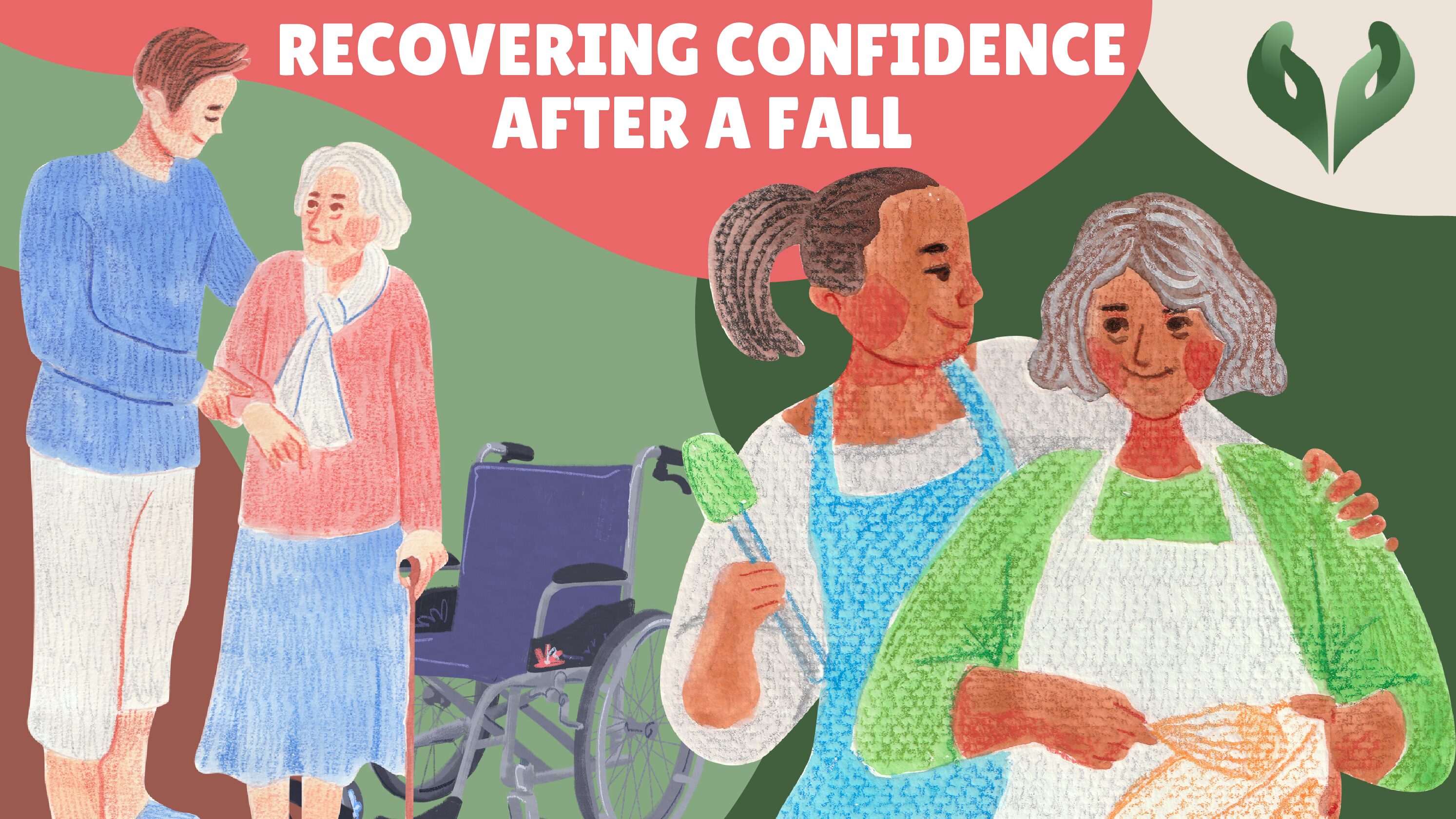
A fall can happen in a matter of seconds, but the effects can last much longer. An older adult may not always suffer a serious injury from a fall. Still, the experience alone can leave them feeling shaken, vulnerable, and unsure of their ability to get around safely.
A senior who previously enjoyed walking around the neighborhood, cooking, gardening, or seeing friends may suddenly hesitate to do the activities that they used to. For families, it can be quite a difficult thing to watch. You want your loved one to be safe, but you also want them to keep their independence, dignity, and quality of life.
The good news is that recovery from a fall is not simply about physical healing. With patience, the right medical advice, some sensible safety modifications, and a bit of encouragement, older adults can start to rebuild their confidence and get back into the everyday activities that matter to them.
Recovering from a fall can be challenging, as seniors must rebuild their strength and stamina. But what can be even more challenging is for a senior to rebuild their confidence in themselves and their surroundings. At Senior Industry Services (SIS), we believe families should have access to the information, resources, and support they need to feel more confident as they go through these transitions.
Why a Fall Can Affect Confidence
After a fall, a senior may begin to question something they previously took for granted: their ability to trust their own body. Even ordinary movements, such as getting out of bed, stepping into the shower, or walking across a room, can suddenly feel risky. The fear of falling may lead them to limit activity even when their injuries have healed; this is perfectly understandable.
A fall can lead a senior to feel as though they have lost control of their world and independence. For a senior who has spent a lifetime running their own household and making their own decisions, the idea of accepting help can be a very difficult one to grasp. Unfortunately, limiting movement can create a whole new set of problems. Reduced activity can lead to muscle weakness, poorer balance, less endurance, and increased dependence.
All of these can make the act of moving more difficult and can in turn reinforce the very real fear that another fall is just around the corner. The goal is not to convince your loved one that falling is not worth worrying about. The goal is to help them feel safer, recognize their abilities, and rebuild trust in themselves through gradual recovery and with support.
Helping to Rebuild Confidence
It can be tempting to urge your loved one to push past fear to return to daily activities. However, that pressure can increase stress and, in turn, weaken confidence. Start with the overwhelming tasks, such as walking alone, bathroom safety while showering or using the toilet, and address symptoms such as dizziness or weakness.
Confidence often returns through experience. Each successful activity can help your loved one recognize that progress is possible and that they don’t have to regain every ability at once. Start with goals that match their current abilities and professional recommendations. Those goals might mean standing up from a chair with support, walking a short distance with a prescribed mobility aid, or moving from one room to another with a caregiver nearby. Celebrate progress made and encourage them to continue without making them feel pressured.
Physical therapy can be especially useful when a senior needs help rebuilding strength, balance, coordination, and confidence in movement. It is also often recommended for seniors following a fall, illness, surgery, or accident of some sort. It can help give your senior loved one the tools they need to maintain their independence and regain their strength and confidence. A physical therapist can suggest exercises and strategies that fit the adult’s condition, abilities, and fall risk. Occupational therapy can also help seniors safely return to activities such as dressing, bathing, cooking, and moving around the home.
It is also very important to let your loved one take part in decisions about recovery. Ask them what goals they want to reach first. Going back to a hobby, visiting a friend, or walking to the mailbox may motivate them more than a vague instruction to become more active.
It’s important to remember that recovery is not linear; some days will feel easier than others. Recognizing progress, instead of expecting immediate results, can help reduce frustration and restore a senior's sense of control.
How to Make Home Feel Safe Without Taking Away Independence
A senior's confidence depends heavily on how safe they feel in their surroundings. After a fall, parts of the home that were familiar may suddenly seem full of hazards. A home safety review can help spot risks and make everyday activities feel more manageable. Loose rugs, walkways, poor lighting, slippery bathroom floors, and items stored on high shelves can create unnecessary challenges for seniors.
Installing grab bars, improving lighting, securing cords, and arranging furniture to create clear paths can make a big difference for seniors. Handrails, non-slip mats, and suitable assistive devices may also help, depending on your loved one's needs. Remember that not every safety change fits every adult. An occupational therapist, therapist, or other qualified healthcare professional can assess the home and recommend practical changes for your senior loved one.
Families should also think about whether their loved one can manage daily activities (ADLs) alone during recovery. Temporary help with bathing, dressing, meal prep, transportation, or chores can let their loved one stay at home while regaining strength. Providing help does not mean taking over. Whenever possible, let your loved one do the parts of a task that they can handle safely while offering help with the difficult parts. Encouraging participation helps protect dignity and reinforces the message that independence is still an important goal.
Recovery is Emotional, Not Just Physical
According to the CDC, 1 out of 10 falls results in an injury that causes the older adult to restrict their activities for a day or more or to seek attention from the healthcare system. Physical injuries are often the visible result of a fall, but emotional recovery matters just as much for seniors. Some seniors feel embarrassed after falling; others worry that family will push them to move out or that a fall means they can no longer live independently. These worries can make them reluctant to share fears or accept help. This makes it important to listen without minimizing feelings. Saying, "You have nothing to worry about," may sound reassuring but can leave your loved one feeling misunderstood. A better reply might be "I understand why you fear falling. Let’s find ways to help you feel safer."
Avoid treating every movement as dangerous or hovering over your loved one too much. Excessive protection can unintentionally reinforce their belief that they cannot do things for themselves. At the same time, do not ignore persistent fear, social withdrawal, low mood, or a growing reluctance to move. If these anxieties further impact your loved one's life, it’s recommended to discuss them with a healthcare professional. Emotional support or counseling may help, especially when fear blocks recovery or limits activities. The best encouragement mixes empathy with reassurance. Your loved one should know that their concerns are taken seriously and that recovery will not be faced alone.
How Family Caregivers Can Help
Caregivers play a role in helping seniors rebuild confidence. Often, the valuable support is not doing everything but creating safe conditions for their senior loved one to succeed. Creating a routine can reduce uncertainty for their loved one. Allowing an adequate amount of time for daily tasks can prevent seniors from feeling the need to rush. Keeping mobility aids within reach, ensuring frequently used items are accessible, and offering help when needed can make ordinary tasks feel less intimidating for seniors. It is also useful to use respectful language; instead of focusing on what they can no longer do, recognize what they are achieving and ask what support would make the next step easier.
Caregivers should also monitor their own health and watch for signs of burnout. Supporting an adult after a fall may involve coordinating appointments, monitoring changes, helping with personal care, and managing fears of another fall. That responsibility can become overwhelming without support for the caregiver as well. Depending on the situation, home care services, home health services, rehabilitation professionals, or extra family support may help bridge the gap between recovery and independence. This extra support can also give you, as a family caregiver, the time to care for yourself, to ensure you can properly and adequately care for another.
Preventing Another Fall While Still Encouraging Activity
Helping your senior loved one feel confident again also means dealing with the factors that may have caused the fall. Falls can have causes, such as balance problems, weak muscles, vision issues, side effects from medication, dizziness, hazards in the environment, and certain medical conditions. Regular medical visits, medication reviews, proper shoes, eye care, and strength and balance exercises recommended by professionals can all help make recovery safer.
Families should also see that preventing falls does not mean stopping every activity that has some risk. Stopping movement completely can weaken strength and function. Instead, the goal is to cut down hazards while letting the person stay as active as their condition safely allows.
An article on the effectiveness of exercise interventions on fall prevention explains the importance of staying active and its reduction in fall risks, stating that physical exercise improves the components of functional ability, i.e., lower extremity strength, balance, and mobility. Additionally, physical exercise reduces falls and minimizes serious injuries that can arise from them.
Technology can give another layer of help for some households. Emergency response devices, fall‑detection technology, and proper monitoring tools can help families feel more ready, especially when a senior spends time alone. These tools have limits, though, and they should complement, not replace, human help, medical care, and a safety plan tailored to your loved one.
When Recovery Includes a Hospital Stay or Rehabilitation
A fall that leads to hospitalization or rehab can bring challenges. A senior may come home feeling weaker, less steady, or less independent than before. Families sometimes think that discharge means recovery is finished. In truth, coming home may start another stage of recovery with medicines, follow‑up appointments, therapy suggestions, and daily care tasks to manage. A clear hospital‑to‑home plan can help families know what comes next. Before or soon after discharge, clarify medication instructions, follow‑up appointments, movement limits, therapy, and the amount of help needed at home. Recovery may need changes, extra supervision, or a different level of help while strength and confidence grow.
For more guidance, explore our article: Why Do Seniors Decline So Quickly After a Hospital Stay?. It discusses why the transition home can be challenging, what families should monitor, and how appropriate support can help seniors continue recovering.
You may also find this article helpful: Preventing Readmission Starts With Supporting the Caregiver. It highlights the demands placed on caregivers and the importance of having a support system in place.
How Senior Industry Services Can Help
Every recovery is different depending on the cause of the fall, the injuries sustained, and the projected recovery time. Some older adults need a short period of assistance and physical therapy before returning to their usual activities. Others need ongoing home care, additional supervision, or a reassessment of whether their current living environment still meets their needs.
Knowing where to begin can be difficult, particularly when families are already managing medical appointments, emotional concerns, and everyday responsibilities. Having to juggle all of these things and still have unanswered questions can be overwhelming, to say the very least. Luckily, Senior Industry Services has resources and insights to help you in whatever stage you’re at with your senior loved one.
Senior Industry Services provides educational information and connections to senior care resources throughout Central Texas. Families can explore the SIS Senior Care Directory to learn about local services, including home care, home health, transportation, and other forms of support. The SIS Resources page also offers information about senior care financing, Texas Medicaid for seniors, VA Aid & Attendance benefits, and care-related resources that may help families evaluate their options. For families navigating the transition from hospital to home, SIS's Hospital-to-Home resources provide another starting point for understanding discharge planning, rehabilitation, and the support that may be needed after a hospital stay.
These resources are designed to help families ask better questions, understand available options, and make informed decisions based on their loved one's needs. Senior-AI can also be a great starting point for families with questions. Senior-AI is the SIS resource assistant designed to help families and caregivers navigate senior care questions, explore educational information, and identify potential resources throughout Central Texas.
A fall can interrupt a senior's daily routine, shake their feeling of independence, and make them scared about what lies ahead. Those fears and feelings don’t have to determine what lies ahead, though. With proper medical care, a safer home, slow rehabilitation, emotional encouragement, and the right amount of support, many seniors can move toward getting back their skills and joining the activities that are important to them.
The process needs patience. It also needs the understanding that confidence cannot be rebuilt by pressure or mere reassurance. Confidence grows when seniors feel listened to, have chances to succeed, and know that support is ready when they ask for it.
For families across the Central region, Senior Industry Services is here to help make the next step clearer. Recovering confidence after a fall is about more than preventing the next fall; it’s about helping seniors feel safe and confident by equipping them and their families with the knowledge and tools to help prevent future falls.
Written for Senior Industry Services by Lauren Hope Bartling
About Senior Industry Services
Senior Industry Services (SIS) is a Central Texas resource connecting seniors, families, caregivers, healthcare professionals, and local businesses through education, technology, and community collaboration.
SIS provides educational articles, Senior-AI tools, a searchable Senior Resource Directory, local service information, community resources, professional networking events, and educational opportunities.
We explore and educate on topics such as healthy aging, caregiving, senior living, dementia, hospital-to-home transitions, Medicare, Medicaid, Veterans benefits, long-term care planning, and other issues affecting seniors and their families.
Senior Industry Services serves communities across Central Texas, including Austin, Round Rock, Georgetown, Cedar Park, Pflugerville, Lakeway, Buda, Kyle, Bastrop, Dripping Springs, Marble Falls, Burnet, Temple, Belton, Killeen, Harker Heights, Waco, San Marcos, New Braunfels, Canyon Lake, Bryan–College Station, and surrounding areas.
Whether you’re searching for reliable information, exploring local senior services, using Senior-AI, or looking to connect with trusted professionals, SIS is designed to be a central online resource for aging and senior care throughout Central Texas! Explore our website to learn more about all we have to offer to families, seniors, and senior care professionals in Central Texas!
About the Author
Lauren Hope Bartling is a content writer for Senior Industry Services & Oasis Senior Advisors of Austin and Central Texas. She searches and writes educational content focused on healthy aging, caregiving, healthcare, senior living, and community resources. Her goal is to help seniors, families, caregivers, and healthcare professionals better understand the challenges of aging through accurate, practical, and easy-to-understand information that supports informed decision-making.
References:
Centers for Disease Control and Prevention. (2026, September 8). Facts about older Adult Falls. Centers for Disease Control and Prevention. https://www.cdc.gov/falls/data-research/facts-stats/index.html
Falls and fractures in older adults: Causes and prevention | National Institute on Aging. https://www.nia.nih.gov/health/falls-and-falls-prevention/falls-and-fractures-older-adults-causes-and-prevention
How seniors can regain confidence after a Fall. HBRHC. https://www.hbrhc.com/blog/how-seniors-can-regain-confidence-after-a-fall
Sadaqa, M., Németh, Z., Makai, A., Prémusz, V., & Hock, M. (2023). Effectiveness of exercise interventions on fall prevention in ambulatory community-dwelling older adults: a systematic review with narrative synthesis. Frontiers in Public Health, 11, 1209319. https://doi.org/10.3389/fpubh.2023.1209319
Vince, S. (2026, June 11). Older adults & emotional trauma after a Fall. Older Adults & Emotional Trauma After a Fall. https://www.sailorhealth.com/blog-post/emotional-trauma-after-fall