

Going through a medical event can be scary and nerve-racking for anyone, whether you're experiencing it, a friend is, or a family member is. Some might say, though, witnessing a loved one experience a health-related issue can be more traumatizing than going through it yourself. Some health issues may be minor and easily treatable; others may require more ongoing treatment and take a greater toll on one's body. Strokes are a serious medical event that can affect each person who’s experienced one very differently. Some people may experience a minor stroke and not have many symptoms of it following recovery. Others may notice a sizable difference in how they function after a stroke.
According to the CDC, strokes are the leading cause of serious long-term disability in the United States. Many stroke survivors experience ongoing challenges with mobility, speech, memory, balance, and daily activities. A stroke can change a person's life in an instant, affecting their ability to move, communicate, think, and manage everyday activities. For seniors, this recovery can be especially challenging, often requiring ongoing medical care, rehabilitation, and assistance with daily routines.
Family members and/or caregivers play an important role in helping stroke survivors regain independence, maintain their quality of life, and feel supported throughout the recovery process. Understanding what happens both during and after a stroke and knowing how to provide the right kind of care can make a meaningful difference. Whether your loved one is returning home from the hospital or adjusting to long-term changes, patience, preparation, and consistent support are essential.
In today’s blog post, we’ll go over what a stroke is, the causes, symptoms, and warning signs, and what treatment and recovery look like, as well as how to effectively care for someone who’s had a stroke. Whether you’re a family member helping out a loved one who’s recently had a stroke or a family member who’s taken on the role of a caregiver full-time, we’re here to help you in any way we can. Firstly, by providing you with helpful information and resources, as well as a reminder that you aren’t alone and we are here to help you if you have any questions or need extra help!
What Is a Stroke?
You might already know the basics of what a stroke is, but in case you don't, we’ll go over some basics of what exactly a stroke is, what causes it, as well as the warning signs to look out for. A stroke is a medical emergency that occurs when something prevents your brain from getting enough blood flow; things like a blocked blood vessel or bleeding in your brain can cause strokes. These occurrences prevent the brain cells from receiving adequate oxygen and nutrients. As mentioned above, a stroke is considered a medical emergency, and immediate medical attention is required if you suspect you or a loved one may be experiencing a stroke. The quicker treatment can be provided, the better the chances are of limiting brain damage and improving recovery outcomes.
The effects of a stroke vary depending on which part of the brain is affected and how much damage occurs. Some people recover many of their abilities, while others experience lasting physical, cognitive, or emotional changes that require continued assistance.
Now that we’ve covered what exactly a stroke is, we’ll go over the causes, as well as what a stroke actually looks like and signs you can look for.
Symptoms:
According to the Cleveland Clinic, the symptoms of a stroke can vary depending on what part of the brain it’s affecting, but the most common symptoms include:
- Trouble speaking or a complete loss of speech)
- Blurry vision or double vision
- Confusion or agitation
- Dizziness or vertigo
- Headaches (usually sudden and severe)
- Loss of muscle control on one side of your face
- Loss of coordination or clumsiness
- Memory loss
- Mood swings or sudden personality changes
- Nausea and vomiting
- Neck stiffness
- Passing out or fainting
- Seizures
- Slurred speaking
- Sudden worsening or loss of your senses (including vision, hearing, smell, taste, and touch)
- Weakness or paralysis on one side of your face and body
Warning Signs:
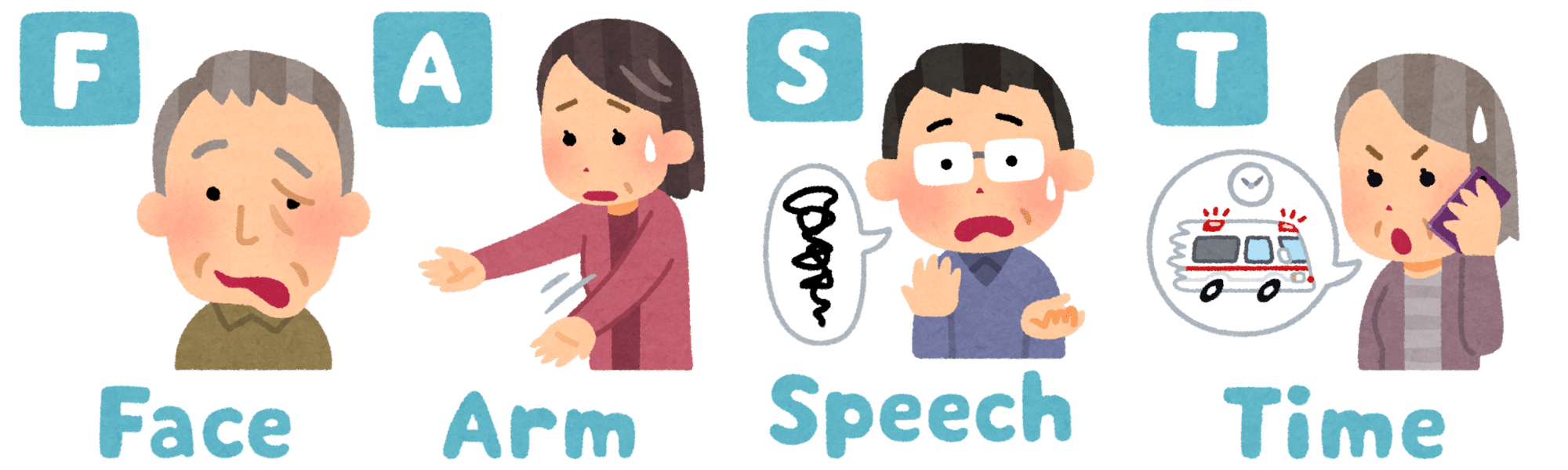
Strokes can cause lots of different symptoms. To recognize the warning signs of a stroke in yourself or a loved one, remember the acronym BE FAST:
- Balance: Watch for a sudden loss of balance.
- Eyes: Look out for sudden vision loss or changes in one or both eyes.
- Face: Smile. Look for a droop on one or both sides of the face.
- Arms: Raise both arms. If you or someone is having a stroke, one arm will sag or drop in a way that it usually doesn’t.
- Speech: You or someone might slur your or their speech or have trouble choosing the right words.
- Time: Time is critical; call 911 immediately. If possible, look at your watch, phone, or a clock to track when symptoms start. Telling a healthcare provider when symptoms began can help them know which treatment options are best.
Causes:
Several health conditions and lifestyle factors can increase a person's risk of having a stroke. High blood pressure is one of the most significant risk factors, as it can damage blood vessels over time. Other contributing factors include high cholesterol, diabetes, heart disease, atrial fibrillation, smoking (or vaping), alcoholism, obesity, physical inactivity, and a history of previous strokes. Age can also increase the risk, namely those who are 65 and older, making stroke prevention and regular medical checkups vital for older adults.
Treatment and Recovery:
After a stroke is diagnosed following neurological exams and appropriate scans, treatment can be implemented. Treatment, similar to symptoms, can vary greatly depending on the type of stroke and its location, as well as how quickly medical attention was acquired. Healthcare providers will restore normal blood flow to your brain as fast as possible to limit the risk of permanent brain damage. If it was an ischemic stroke, doctors will break up or remove the blood clot that caused it. This is done with thrombolytic medications and/or surgery, as well as a prescription to manage blood pressure. If it was a hemorrhagic stroke, doctors will control the bleeding that caused it as well as use medications to stop the bleeding and manage blood pressure. Surgery may be needed to reduce pressure around the brain. The doctors treating your loved one will explain exactly which treatments are best, what to expect, and how long it will take to recover.
Once the immediate medical emergency has been addressed, rehabilitation becomes an important part of recovery. The goal is to help stroke survivors regain as much strength, mobility, communication ability, and independence as possible. Depending on their needs, a rehabilitation plan may include physical therapy, occupational therapy, and speech therapy. Physical therapy helps individuals rebuild strength, improve balance, and practice walking or other movements. Occupational therapy focuses on everyday activities such as bathing, dressing, eating, and preparing meals. Speech therapy can help individuals who have difficulty speaking, understanding language, or swallowing after a stroke.
Recovery looks different for everyone. Some seniors make significant improvements within the first few months, while others continue making progress over a year or longer. The location and severity of the stroke, the person's overall health, the quality of rehabilitation, and the support they receive can all influence recovery. Returning home after a stroke is an important milestone, but it may require extra assistance and adjustments to make daily life safer and more manageable.
It is important to remember that recovery does not end when a person leaves the hospital or completes a rehabilitation program. Continued medical appointments, prescribed exercises, medication management, and healthy lifestyle habits can support long-term progress and help reduce the risk of another stroke. If your loved one is about to or has recently been discharged from the hospital, SIS offers a great resource to help ease the process of the journey from Hospital-to-Home. Check out our guide to help ensure a confident transition for your loved one, ensuring relief and not confusion.
Tips for Caregivers
Caregivers of stroke patients have demanding caregiving tasks and roles, and they face multiple challenges and a variety of needs in their caregiving process. Whether a family caregiver or a professional caregiver, it’s an emotionally exhausting duty. Carers need emotional and social support from friends and family to help combat and reduce the risk of burnout. Not only can providing care for someone be emotionally exhausting, but it can also be physically demanding. If you are a family member of a loved one who’s recently had a stroke and find yourself caring for them, you’ll know the toll of taking on new responsibilities to help your loved one adjust to the change in their abilities. Having a consistent care routine, understanding your loved one's needs, and knowing when to ask for help can make the experience more manageable for everyone involved.
Prioritize safety around the home
Stroke survivors may experience weakness, limited mobility, and balance problems that increase their risk of falling. Take time to evaluate the home environment and make necessary adjustments to ensure safety and accessibility. Remove throw rugs and clutter, keep walkways clear, improve lighting, and consider installing grab bars in bathrooms and handrails where needed. Make sure mobility aids are used correctly (as needed) and that frequently used household items are easy to reach. A safer home can help seniors move around with greater confidence and maintain as much independence as possible.
Establish a consistent daily routine
Familiar routines can make everyday life less overwhelming for someone recovering from a stroke. Help your loved one maintain regular schedules for meals, medications, personal care, exercise, and rest. Medication reminders are particularly important, as following a doctor's instructions can help manage underlying health conditions and reduce the risk of another stroke. Keep an updated medication list and communicate any concerns or noticeable side effects to the healthcare team.
Incorporate tools to enhance memory
AARP suggests using sticky notes, charts, and calendars for reminders of important information or events. Helping your loved one engage in activities that stimulate the brain, such as solving crossword puzzles, playing board games, listening to music, or taking walks can help their recovery. Some of those might help both with cognition and physical functioning to help strengthen their brain and body.
Encourage independence whenever possible
It can be tempting to take over tasks that have become difficult for your loved one. However, allowing them to participate in everyday activities can help build confidence and support rehabilitation. It can also be tempting to want to do everything for them, especially if you see them begin to struggle, but you should encourage them to try things independently and reassure them that you’re there if they need help. Be patient and avoid rushing them, as activities such as getting dressed, eating, or walking may take longer than they did before the stroke.
Support communication and emotional well-being
Some stroke survivors experience difficulty speaking, understanding language, or expressing their feelings. Because of this it’s suggested to talk slowly and clearly. Also, ensure you give your loved one plenty of time to communicate, listen carefully, and use simple questions when appropriate. Gestures, pictures, and writing can also help when verbal communication is difficult. Every stroke is different and some seniors may experience these challenges more significantly or not at all.
Emotional changes are common after a stroke, and some individuals experience frustration, anxiety, depression, or changes in personality. Simply offering reassurance by being there with them will help so much with their confidence and sense of security.
While communication is an important aspect of your senior loved one's recovery, it’s also an important part of the caregiver's practice of self-care. Talking to others, whether it be friends, family, or perhaps this in a support group for caregivers, can provide relief from the emotional and physical burdens placed on you. A support group is a great idea if you are struggling or experiencing burnout because people in similar situations can provide not only ideas and resources for caring for a loved one but also insights into how to take better care of themselves. And just like communication is important, so is acknowledging your emotional well-being and practicing self-care by doing things for yourself and ensuring you’re not running on empty. Caregiving can be draining, so it’s important to refuel, take breaks, and ask for help when needed.
Encourage healthy habits and continued rehabilitation
Once a person has had a stroke, their risk of another stroke increases. That’s why it’s so important to encourage healthy lifestyle habits and choices throughout their recovery to create a pattern of good habits. You can help your loved one follow dietary suggestions from their doctor, stay hydrated, monitor medications, and ensure they are being active (to their ability level).
Caregivers can encourage stroke prevention strategies by helping seniors:
- Follow medication schedules
- Eat heart-healthy meals
- Stay physically active
- Monitor blood pressure
- Reduce smoking or alcohol use
- Maintain regular routines
If your loved one received physical therapy following the stroke, you can help them complete their exercises or even do them alongside them. It’s important not to push your loved one past their current ability levels, but rather to encourage consistent movement and activity to regain their strength.
Stay connected with the healthcare team
Stroke recovery often involves multiple people, often a full team of healthcare professionals, including physicians, physical therapists, occupational therapists, and speech therapists. Keep track of appointments and for therapy appointments, you can make note of the exercises they want your loved one to do, and ensure they complete them. Staying up to date with all of their doctors can let you ask questions and communicate any changes in your loved one's condition. Monitoring progress can help identify new concerns and ensure their care plan continues to meet their needs.
Remember to take care of yourself
Family caregiving has been recognized as having a stressful impact on carers’ health and quality of life, with carers often feeling unprepared for their new role and taking on that role with its inherent risks, which can lead to poor physical, mental, and social health. Coordinating appointments, managing medications, assisting with mobility, and providing emotional support can quickly become overwhelming; because of this, it’s important to ask for help when needed and take time to care for yourself as well.
Caregiving can be an exhausting task, especially when responsibilities extend throughout the day and night. It is important to recognize your own physical and emotional needs (and limitations) and make time for rest. It’s also okay to ask for extra support or help if needed. This is not a burden you have to bear alone. Accept help from family members and friends, explore caregiver support groups, and consider respite care when you need a break. Sharing responsibilities can help prevent caregiver burnout while ensuring your loved one continues to receive quality care.
Helping a Loved One Move Forward After a Stroke
Life after a stroke can be frightening and uncertain, especially when trying to manage symptoms and recover from the effects of a stroke. While a stroke can bring unexpected challenges, the right support can make the recovery journey easier and more manageable. From attending rehabilitation appointments to assisting with everyday activities, caregivers play an essential role in helping seniors maintain their independence, dignity, and quality of life.
Every stroke survivor has different needs, and care should be tailored to their individual abilities, goals, and recovery progress. While some seniors may need only occasional assistance, others benefit from more consistent support at home. Recovery and rehab following a stroke aren’t easy, and managing it alone doesn’t have to be the only solution. Senior Industry Services is here to help by giving you expert insight, and quality resources for your loved one's unique situation. If you are looking into getting extra help for your loved one as they are recovering from a stroke you can check out our Senior Care Directory to search for local support.
At Senior Industry Services, we understand the importance of quality care and helping families of seniors navigate life's changing needs. With the right resources, encouragement, and support system, stroke survivors can continue working toward greater independence and a better quality of life.
Written for Senior Industry Services by Lauren Hope Bartling
About Senior Industry Services
Senior Industry Services (SIS) is a Central Texas resource connecting seniors, families, caregivers, healthcare professionals, and local businesses through education, technology, and community collaboration. SIS provides educational articles, Senior-AI tools, a searchable SIS Senior Care Directory, local service information, community resources, professional networking events, and educational opportunities. We explore and educate on topics such as healthy aging, caregiving, senior living, dementia, Hospital-to-Home transitions, Medicare, Medicaid, Veterans benefits, long-term care planning, and other issues affecting seniors and their families. Senior Industry Services serves communities across Central Texas, including Austin, Round Rock, Georgetown, Cedar Park, Pflugerville, Lakeway, Buda, Kyle, Bastrop, Dripping Springs, Marble Falls, Burnet, Temple, Belton, Killeen, Harker Heights, Waco, San Marcos, New Braunfels, Canyon Lake, Bryan–College Station, and surrounding areas. Whether you’re searching for reliable information, exploring local senior services, using Senior-AI, or looking to connect with trusted professionals, SIS is designed to be a central online resource for aging and senior care throughout Central Texas! Explore our website to learn more about all we have to offer to families, seniors, and senior care professionals in Central Texas!
About the Author
Lauren Hope Bartling is a content writer for Senior Industry Services & Oasis Senior Advisors of Austin and Central Texas. She searches and writes educational content focused on healthy aging, caregiving, healthcare, senior living, and community resources. Her goal is to help seniors, families, caregivers, and healthcare professionals better understand the challenges of aging through accurate, practical, and easy-to-understand information that supports informed decision-making.
References:
15 things caregivers should know after a loved one has had a stroke | American Stroke Association. (n.d.-a). https://www.stroke.org/en/help-and-support/for-family-caregivers/15-things-caregivers-should-know-after-a-loved-one-has-had-a-stroke
Ehlert, R. (2026, May 26). How home care helps seniors after a stroke. Caring Senior Service. https://caringseniorservice.com/blog/how-home-care-helps-seniors-after-a-stroke/
Let’s talk about living at home after stroke | American Stroke Association. (n.d.-b). https://www.stroke.org/en/help-and-support/resource-library/lets-talk-about-stroke/living-at-home-after-stroke
Petrecca, L. (2023, November 10). What caregivers should know after a loved one’s stroke. AARP. https://www.aarp.org/caregiving/medical/stroke-recovery-what-to-know/
Wang, L., Liu, J., Wu, L., Zhang, J., & Fang, H. (2023). Caregiving experiences of stroke caregivers: A systematic review and meta-synthesis of qualitative studies. Medicine, 102(13), e33392. https://doi.org/10.1097/MD.0000000000033392