
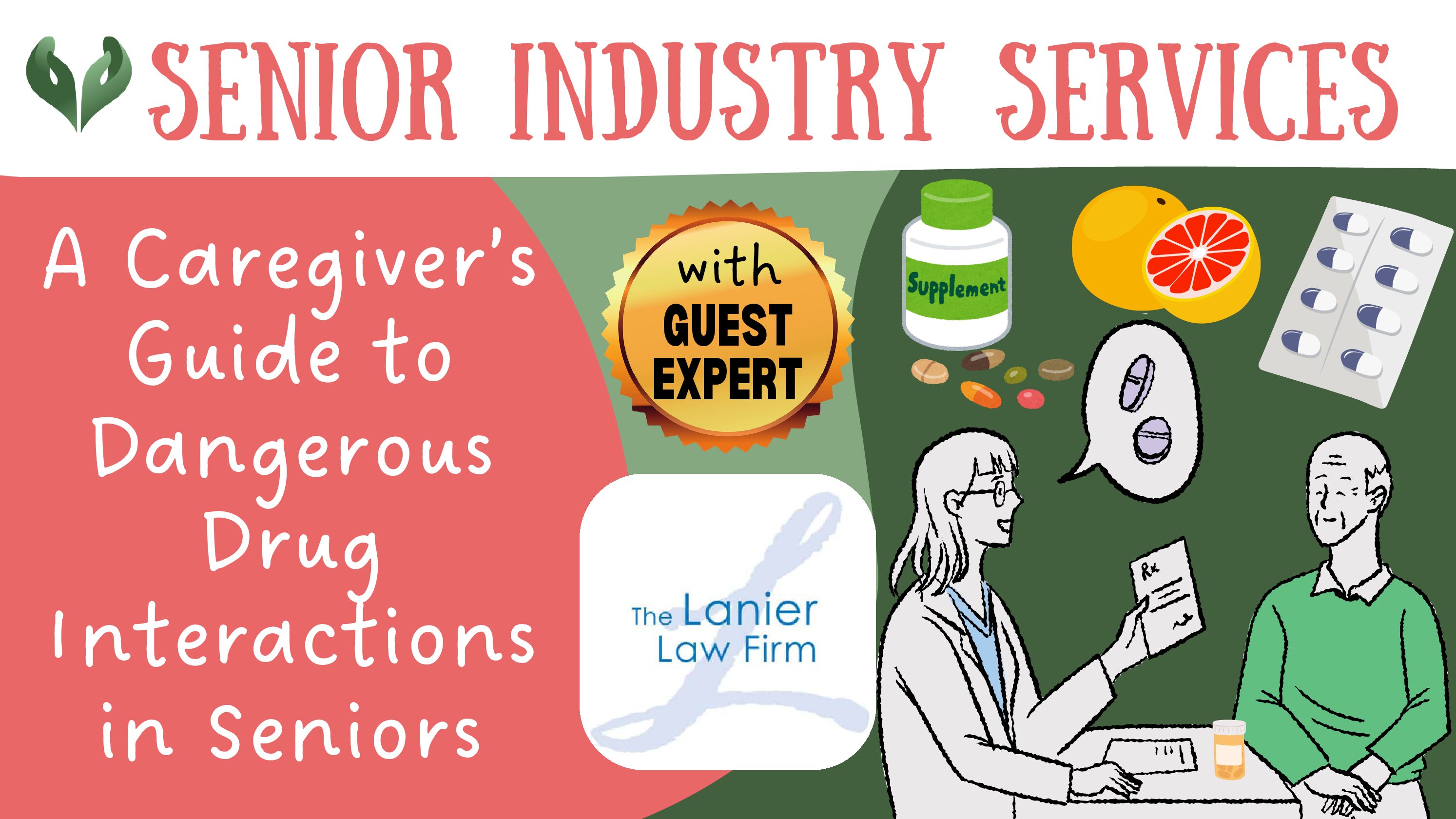
At Senior Industry Services, we aim to create a space where caregivers, families, and professionals in the senior industry can find the information and resources needed to provide the best care for seniors. That’s why we prioritize the quality and integrity of the content we share. We have recently introduced new blog posts in partnership with guest experts that we like to share on occasion. Today, we are proud to share this blog post on the dangers of drug interactions in seniors, with the help of Lanier Law.
The Lanier Law Firm is one of the most accomplished asbestos litigation law firms in the world. Their reputation is built on a proven track record of success that spans more than three decades, with a dedicated focus on mesothelioma and asbestos-related claims, ensuring their clients receive the highest level of legal care. They share the same care for seniors in the Central Texas community as us, and we are happy to partner with them on the effort of sharing awareness of the dangers of drug interactions and what caregivers can do to help prevent any risks.
As our loved ones age, managing their health often becomes more complex, especially when it comes to medications. Typically, the older we get, the more health problems we experience, many requiring medical intervention in the form of regular prescription medication. Effectively managing multiple prescriptions can be challenging for anyone, but especially a senior who might also be starting to experience cognitive problems as well. Many seniors take multiple prescriptions, over-the-counter drugs, and dietary supplements each day to manage preexisting conditions and stay healthy. While each medicine, OTC drug, supplement, or vitamin may be necessary and helpful, on its own, certain combinations can lead to dangerous drug interactions that put one's health and safety at risk. Understanding these risks and knowing how to prevent them can make a meaningful difference for caregivers, families, and healthcare professionals alike.
Why Seniors Are More Vulnerable:
Aging changes how the body processes medications. According to an article from the FDA on medication safety tips for older adults, as we age, physical changes can affect the way our bodies handle medications and how medicines work in our bodies, which can lead to potential complications. For example, your liver and kidneys may not work as well as they once did, which can affect how a drug breaks down and leaves your body.
This can cause medications to stay in the body longer, increasing the likelihood of side effects or interactions.
Additionally, seniors are more likely to have multiple chronic conditions that require medical intervention, often leading to the use of several prescription medications at once, also regarded as polypharmacy. The more medications involved, the higher the risk of unintended interactions, especially if you haven’t gone over all of the medications and supplements you take with a doctor to evaluate the interaction risks.
According to the National Institute on Aging, adults age 65 and older tend to take more medications than any other age group because they may have several diseases or other health problems at the same time. Managing multiple medications can be expensive, difficult to track, and hard to manage, especially for those who are homebound or who live in rural areas. In addition, the use of many medications can increase the risk for adverse reactions (problems or side effects caused by a drug) and drug interactions (meaning two or more drugs don’t work well together, causing unintended problems).
Ensuring your senior loved one takes their medicine regularly and follows their health care professional’s instructions is crucial to avoid any harmful interactions. Before starting any new medication or supplement, be sure to have a list of all current medications and prescriptions so your doctor can rule out any potentially harmful drug interactions.
Common Types of Drug Interactions
We’ve talked a lot about why and how drug interactions happen and why they can be harmful…but what exactly happens during drug interactions? We are so glad you asked! Drug interactions can happen in various ways, but these are the three typical forms of interactions that can occur:
- Drug-to-drug interactions: When one medication affects how another works (sometimes combining prescriptions can increase drowsiness, make one medicine ineffective, or increase fall risk)
- Drug-to-supplement interactions: Vitamins, herbal remedies, and minerals can interfere with certain prescriptions and make them ineffective.
- Drug-to-food interactions: Certain foods or beverages can alter medication effectiveness or cause harmful effects.
Alcohol and recreational drugs are also generally not recommended in conjunction with any medications, as they can lead to dangerous side effects and reactions. Another common dangerous interaction would be combining blood thinners with common pain relievers or supplements like fish oil, which can increase bleeding risk. Even something as simple as grapefruit juice can interfere with medications used to treat blood pressure or cholesterol.
Warning Signs to Watch For:
Recognizing the early signs of a drug interaction can help prevent serious complications.
Caregivers should be alert for:
- Sudden dizziness or confusion
- Unusual drowsiness or fatigue
- Nausea or loss of appetite
- Changes in heart rate
- Increased risk of falls
- New or worsening symptoms after starting a medication
If any of these symptoms appear, it’s important to seek medical guidance promptly. Negative side effects can also occur from taking a new prescription, so it’s important to monitor any new side effects.
The FDA states that interactions can occur when:
- One of your medications affects the way your other medicine works, causing dangerous side effects.
- An herbal preparation or supplement alters the way another medication works.
- A food or drink (with or without alcohol) reacts with your medication or changes the way your body absorbs your medicine.
They further recommend learning about possible interactions and side effects of medications by reading drug labels on medicine, as well as reviewing any special instructions from your senior’s health care professional.
Practical Steps to Reduce Risk
The good news is that many dangerous drug interactions are preventable with the right approach and preventative measures. Here are some key steps caregivers and families can take:
1. Keep an Updated Medication List
This is number one for a reason. Keeping an up-to-date list of your loved one's prescriptions, supplements, and other medications they take is vital. Having this list to bring to doctor’s appointments to go over with the doctor will help prevent any future interactions if a new prescription is needed. Seniors may also see multiple doctors for various conditions, which is why having one cohesive list of prescriptions, OTC medications, and supplements to share with doctors can help prevent dangerous drug interactions.
2. Use One Pharmacy When Possible
Filling prescriptions at the same pharmacy allows pharmacists to monitor for potential interactions and flag concerns before they become serious. This will also make it easier to pick up and manage medication refills, so you don’t have to run around to several different pharmacies.
3. Schedule Regular Medication Reviews
Ask a doctor or pharmacist to review medications periodically. These reviews can identify unnecessary drugs, duplications, or risky combinations.
4. Follow Instructions Carefully
Take medications exactly as prescribed, paying close attention to dosage, timing, and any dietary restrictions. If you have questions or concerns about any prescriptions, you can ask a healthcare provider or a pharmacist.
5. Ask Questions
Like we said above, if you have questions, don’t be afraid to ask! Never hesitate to ask healthcare providers about potential side effects or interactions. They understand the risk and fear associated with drug interactions and want to avoid the dangers of them just as much as you do. Having a better understanding of how medications work together is essential for safe use. Pharmacists will likely be your go-to for questions or concerns regarding medications or suggestions of a different medication if there are side effects. They are there to help educate and assure you!
The Role of Caregivers and Families
Being a caregiver comes with a plethora of responsibilities and duties. Whether you’re a caregiver, a family member, or perhaps both roles simultaneously, your role is vital in the life and care of your senior. Because of the weight of such an important role, it can be easy to become overwhelmed and eventually experience burnout. If you need extra help or support, please don’t hesitate to reach out! You are never alone! We are here to help you in any way we can!
Managing medications is just one aspect of the vital role of caregiving. Medication safety is largely impacted by the things you do and the preventative measures you help put in place for your senior or loved one. From organizing pill schedules to attending medical appointments, family and caregiver involvement can help catch issues early and ensure consistency in care. Open communication is key for all parties involved. Encouraging seniors to speak up about how they feel and ensuring providers are aware of all medications being taken helps to create a stronger safety net.
A Safer Path Forward
Medication management doesn’t have to be overwhelming. With awareness, organization, and support, families can significantly reduce the risk of dangerous drug interactions and help their loved ones maintain a higher quality of life. By staying informed and proactive, caregivers can turn a complex challenge into a manageable part of everyday care, helping seniors stay safer, healthier, and more independent for longer.
Senior Industry Services is dedicated to making Central Texas the best place for seniors to age. To help do that, we offer information, resources, and connections through our website and networking events. If you’d like to learn more about how to best serve the seniors in your life and community, feel free to search our website or reach out to us! We are here to support you and your loved ones in any way we can!
Written for Senior Industry Services by Lauren Hope Bartling
References:
Commissioner, O. of the. (n.d.). Learn to use drugs safely and avoid harmful side effects, interactions. U.S. Food and Drug Administration. https://www.fda.gov/consumers/consumer-updates/5-medication-safety-tips-older-adults
The dangers of Polypharmacy and the case for deprescribing in older adults | National Institute on Aging. (n.d.). https://www.nia.nih.gov/news/dangers-polypharmacy-and-case-deprescribing-older-adults
A guide to dangerous drug interactions in seniors. The Lanier Law Firm. (2025, November 25). https://www.lanierlawfirm.com/guide-dangerous-drug-interactions-in-seniors/
U.S. National Library of Medicine. (n.d.). Caregiving - Medication Management: Medlineplus medical encyclopedia. MedlinePlus. https://medlineplus.gov/ency/patientinstructions/000952.htm
Wyland, J. (2026, March 26). 7 reasons older adults are at risk for drug-related problems. UF Medical Physiology |. https://distance.physiology.med.ufl.edu/about/articles/7-reasons-older-adults-are-at-risk-for-drug-related-problems/